
 Facebook
 X
X
 Pinterest
 Copy Link
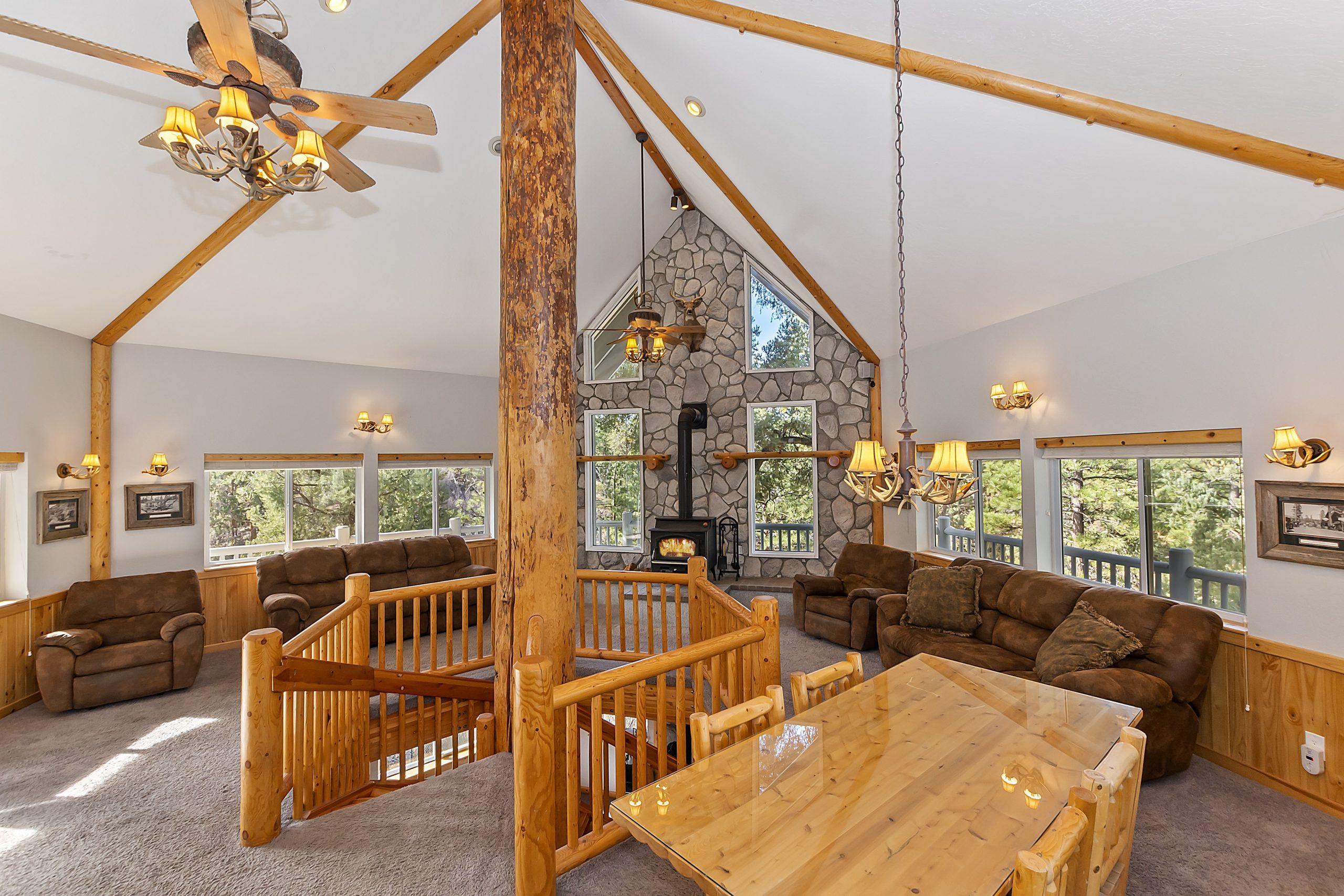
This guide offers an in-depth look at the key forces that influence Big Bear homes for sale and the long-term trends that define this one-of-a-kind resort market.
Lifestyle-Driven Demand for Big Bear Homes
People rarely buy in Big Bear to shorten their commute. They buy to change their pace of life.
Big Bear homes attract buyers who crave snow in winter, lakeside relaxation in summer, and fresh mountain air year-round. These lifestyle motivations often outweigh conventional economic concerns. The decision to buy a Big Bear home is often emotional and experience-driven, which support Big Bear home values even when mortgage rates rise or national markets turn cautious.
Top reasons buyers choose Big Bear:
-
Easy weekend access from the coast or inland Southern California
-
A desire for more nature, solitude, and adventure
-
Emotional satisfaction of owning a mountain cabin or lakefront home
-
Direct access to recreation such as skiing, hiking, boating, and mountain biking
Lifestyle-driven purchasing behavior makes Big Bear homes less reactive to short-term economic shifts and more anchored in long-term personal value.
Tourism and the Ongoing Demand for Big Bear Investment Properties
Tourism is the economic engine of Big Bear, and it directly shapes property values. Many property owners first discover the area while visiting on vacation. Later, they return as buyers who want their own foothold in the mountains.
The short-term rental (STR) market remains an important part of Big Bear’s housing ecosystem. While regulations have evolved, quality vacation properties continue to perform well. Homes in prime locations with modern design and strong amenities generate high occupancy rates and consistent returns.
Tourism supports:
-
Reliable passive rental income for investors
-
A lively local economy that sustains real estate appreciation
-
Continuous influx of first-time visitors who often convert into future buyers
Even as STR conditions shift, tourism continues to provide steady long-term demand for Big Bear investment properties.
Limited Housing Supply in Big Bear Lake
Big Bear Lake is surrounded by National Forest land, which limits development opportunities and creates ongoing scarcity. There is simply not enough space to build rapidly, and construction costs remain high due to terrain and environmental constraints.
The result is a consistently tight housing supply:
-
Land is extremely limited and new construction moves slowly
-
Waterfront and ski-access homes are rare and command premium prices
-
Quality inventory is quickly absorbed during peak seasons
Because supply growth is minimal, the Big Bear real estate market tends to recover faster from downturns and maintain stable property values over time.
How Seasonality Shapes Big Bear Real Estate Trends
Big Bear’s real estate market follows distinct seasonal rhythms that mirror its tourism cycles. Although the area welcomes visitors year-round, actual home-buying activity tends to peak in the warmer months when access, weather, and property visibility are at their best.
-
Winter: Traditionally one of the slower real estate seasons. While tourism increases due to skiing and snowboarding, fewer buyers tour homes or make offers because of snow and travel challenges.
-
Spring: The market begins to thaw alongside the weather. Inventory rises, listings refresh, and serious buyers start making moves.
-
Summer: The busiest season for Big Bear real estate. Longer days, lake activity, and school vacations bring the highest concentration of showings and closings.
-
Fall: Activity slows again as families return to school and weather cools. Buyers who remain active usually focus on value opportunities before winter sets in.
Recognizing these seasonal patterns helps sellers plan the best time to list and helps buyers take advantage of quieter months for negotiations or off-market opportunities.
Who Buys in Big Bear: Key Buyer Demographics
Big Bear’s buyer base is diverse yet united by a shared goal: better quality of life. Most buyers are well-qualified and value flexibility over urgency.
Common buyer profiles include:
-
Southern California families seeking weekend or second homes
-
Real estate investors using hybrid personal and rental strategies
-
Remote and hybrid professionals relocating for balance and lifestyle
-
Retirees seeking a slower pace
Big Bear buyers are generally in a stronger financial position than typical primary home buyers nationwide. They often include affluent second-home seekers, investors, and remote professionals who carry less debt and more liquidity.
Why Big Bear Remains an Affordable Mountain Alternative
Compared with other Western resort destinations like Lake Tahoe, Mammoth Lakes, or Aspen, Big Bear homes for sale remain far more attainable. The region combines scenic beauty, convenient access, and year-round recreation at a fraction of the cost of larger resort markets.
This affordability draws:
-
First-time second-home buyers
-
Families building generational vacation homes
-
Investors seeking strong rental returns without luxury-level entry costs
-
Professionals from the LA, Orange County, and San Diego metros who want a lifestyle upgrade just a 2-hour drive away.
-
Buyers also come from desert communities like Palm Springs and La Quinta seeking higher elevation relief, plus Vegas residents who enjoy the short flight or scenic drive for weekend escapes.
This unique balance between affordability and mountain living keeps Big Bear demand consistently strong.
Community Improvements and Long-Term Value Growth
Infrastructure and recreation investments have a direct impact on real estate values. Big Bear continues to benefit from upgrades to roads, ski resorts, marinas, and trail systems. These enhancements improve livability, attract more visitors, and reassure buyers that the community is thriving.
As amenities expand and environmental stewardship remains a local priority, property values gain long-term support through confidence and quality-of-life improvements.
The Bottom Line: A Market Built on Lifestyle and Scarcity
The Big Bear real estate market thrives on lifestyle, natural constraints, and the ongoing draw of Southern California tourism. It behaves differently from suburban markets because it is powered by emotional connection and scarcity of both land and opportunity. Buyers, sellers, and investors who understand these dynamics can make better, more strategic moves in every season.
Ready to Explore Big Bear Homes for Sale?
Whether you are planning to buy, sell, or invest in Big Bear Lake, having expert, local guidance makes all the difference. I help clients understand these unique market dynamics, position their properties for success, and secure the best deals at the right time.
Paula Osborn
Global Real Estate Advisor
Vista Sotheby’s International Realty – Big Bear Lake, California
Call or text: (909) 747-5949
Email: paula.osborn@vistasir.com


