

 Facebook
 X
X
 Pinterest
 Copy Link
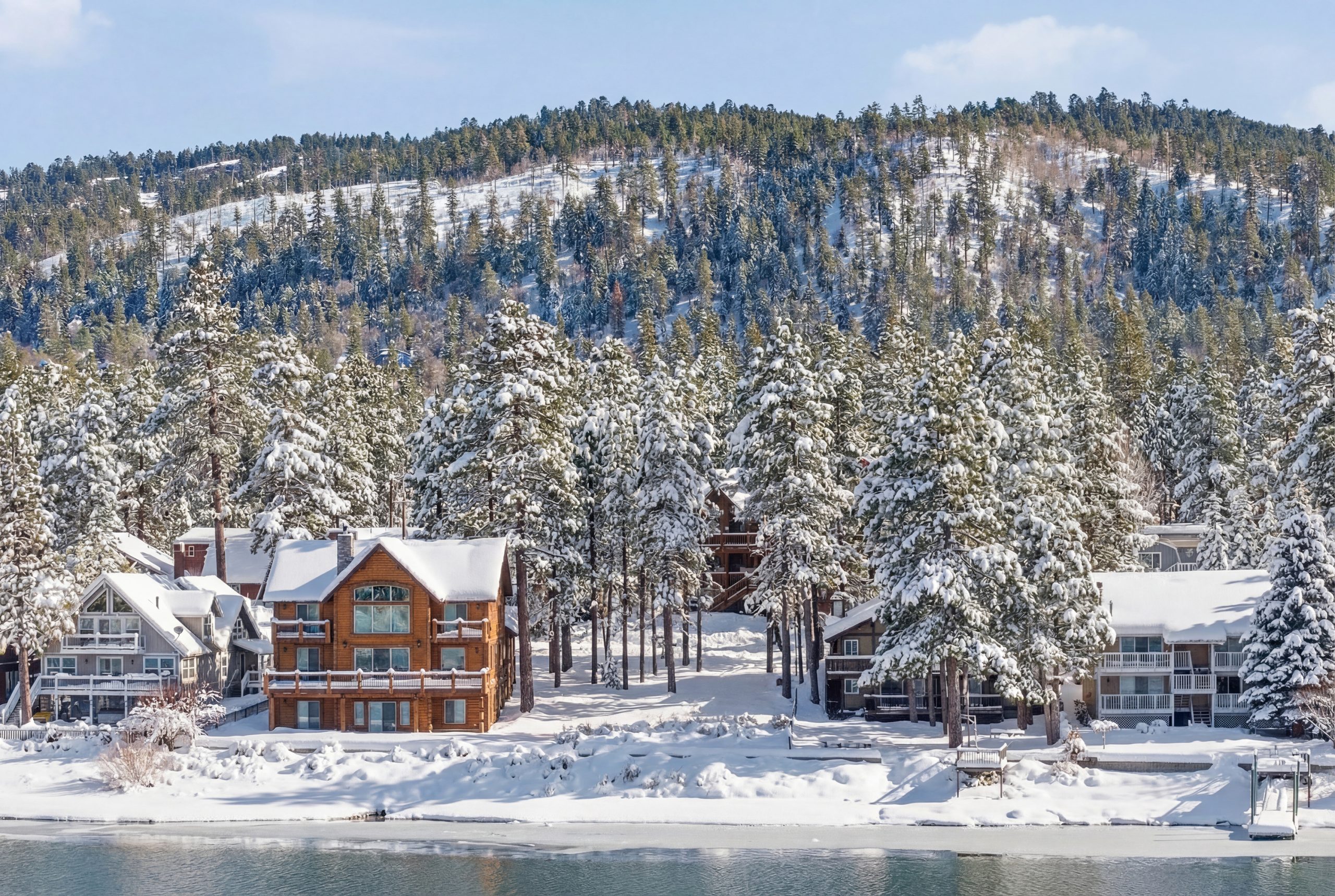
Big Bear is known today for luxury homes, lakefront estates, four-season recreation, and a thriving resort economy – but long before it became Southern California’s favorite alpine escape, it was a rugged mountain settlement with a surprising, storied past.
“Old Big Bear” is more than nostalgia. Its history explains why the valley’s land is limited, why certain neighborhoods feel so distinct, and why Big Bear real estate carries such enduring value.
This post is your guide to the origins of Big Bear – from the earliest inhabitants to gold rush prospectors, early lodges, and the birth of the lakefront neighborhoods people love today.
Indigenous Origins: The First Inhabitants of Big Bear Valley
Long before cabins and ski resorts, the Serrano Indians lived in Big Bear for over 2,000 years. They called the valley Yuhaviat, meaning “pine place” or “place of the pines.”
Key historical points:
-
The Serrano established seasonal villages throughout the valley.
-
They named the region for the massive grizzly bears that once roamed the area.
-
Trails they created later became routes used by early settlers.
Much of Big Bear’s deepest historical footprint – place names, early pathways, and sacred sites – originated during this era.
The Gold Rush & The Birth of “Old Big Bear” (1850s – 1870s)
Big Bear changed forever in the 1850s when gold was discovered in nearby Holcomb Valley. What followed was the largest gold rush in Southern California history.
Why this matters today:
Gold Rush camps created the earliest man-made structures, some of which still influence historic preservation zones, trail systems, and early cabin clusters.
Old Big Bear gold-rush highlights:
-
Holcomb Valley boomed with thousands of miners.
-
Early roads were carved to support mining operations.
-
Grizzlies were hunted extensively—eventually eliminating the species from the region.
The rush faded, but the infrastructure and settlement patterns remained – setting the stage for Big Bear’s first true community.
The Creation of Big Bear Lake (1880s – 1910s)
The Big Bear Dam, first completed in 1884, created an initial reservoir. However, by 1912 a larger dam was completed, dramatically increasing the lake’s capacity. Around the same time, roads into the valley were significantly improved, making travel easier from Southern California cities.
This event reshaped everything:
Why the lake changed the region’s destiny:
-
It created lakefront lots that now drive the luxury market.
-
It enabled year-round access, which directly led to the development of Big Bear’s tourism industry.
-
It attracted the first lodges, cabins, and resorts, forming the basis for the four-season destination we know today.
The earliest historic lakefront cabins date to this period, forming the foundation of Big Bear real estate.
The Rise of Lodges, Resorts & Recreation (1920s – 1950s)
Hollywood discovered Big Bear early. Studios used the valley as a filming location for Westerns, adventure films, and even early snow scenes.
Major developments in this era:
-
The first resorts and lodges were built to host film crews and travelers.
-
Snow Summit opened in 1952, defining Big Bear as a winter sports destination.
-
Roads improved dramatically, making access easier from Los Angeles and Orange County.
-
The earliest neighborhoods, many with historic cabins you still see today, took shape.
These vintage properties remain some of the most sought-after homes today.
Old Big Bear’s Historic Property Types
Big Bear’s history still lives through its architecture and preserved neighborhoods. Many buyers specifically seek these rare, character-rich homes.
Notable historic property types:
-
Vintage Maltby cabins (handcrafted, mid-century charm)
-
Original log and lodge-style cabins near the Village
-
1930s – 1950s lakefront cabins in Boulder Bay & Gilner Point
-
Old miner cabins and restored homesteads in Big Bear City
-
Historic lodge-style inns and former boarding houses
These properties are limited, highly distinctive, and often appeal to buyers seeking authenticity and investment potential.
Where to Find “Old Big Bear” Neighborhoods
Certain areas still showcase the valley’s historic roots:
Top historic pockets:
-
Big Bear Lake Village Area – early tourist cabins, original lakefronts
-
Boulder Bay – some of the oldest lake houses and rustic architecture
-
Gilner Point – legacy lakefront homes from the mid-20th century
-
Big Bear City – early ranch-style homes and acreage properties
-
Moonridge – pre-ski-boom cabins tucked into the hills
Some homes in these neighborhoods retain the quintessential Big Bear character that buyers find irreplaceable.
Why Big Bear History Matters for Today’s Real Estate Market
History directly influences the present-day market in meaningful ways:
1. Scarcity of Historic Inventory
Authentic early cabins and vintage lakefront homes are rare and cannot be replicated.
2. Architectural charm that modern buyers love
Exposed beams, river rock fireplaces, original woodwork, and hand-built details.
3. Strong demand for character homes
Especially for:
-
second homes,
-
STRs with a vintage aesthetic,
-
historic restorations,
-
legacy family properties.
4. Limited land and protected forest equals finite growth
Old Big Bear neighborhoods benefit from the valley’s strict development limitations.
Conclusion
Big Bear’s history is woven into the fabric of today’s real estate market. From historic cabins and legacy lakefronts to vintage lodges and early neighborhoods, the valley’s past shapes the desirability and scarcity of its most unique properties.
Whether you’re seeking a piece of mountain history or a modern luxury retreat, having a local expert ensures you understand both the story and the investment potential of every property.
Next Steps:
Contact Me for Private Guidance:
-
Phone: (909) 747-5949
-
Email: paula.osborn@vistasir.com


